
 Leslie Alexander
Chest discomfort, breathlessness or a racing heart are not always serious, but some signs mean your heart deserves a closer look.
 Albert Flores
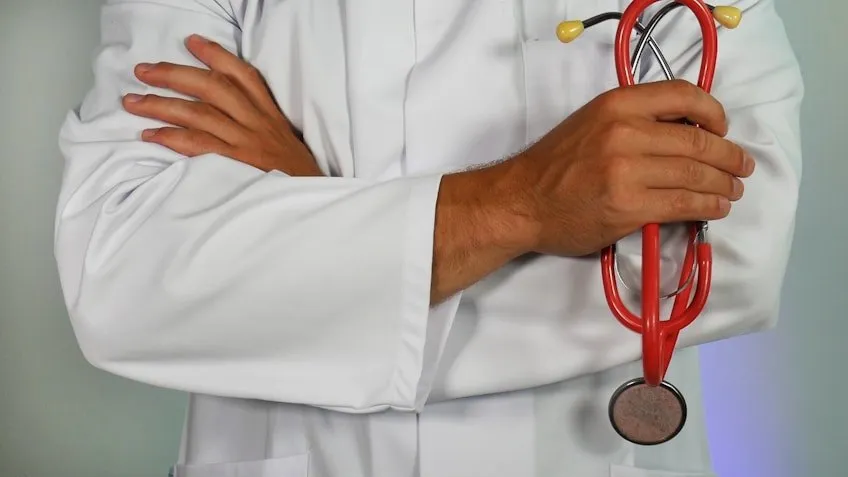
Most of us only think about our heart when something feels wrong. A flutter after too much coffee or a little breathlessness on the stairs is usually harmless, but some symptoms are your body asking for a closer look. Seeing a cardiologist early often means simpler tests, simpler treatment and far more peace of mind.
If you have chest pain that is severe, lasts more than a few minutes, or comes with sweating, nausea or breathlessness, do not wait for an appointment: call your local emergency number. The signs below are for symptoms that come and go.
Pressure, tightness or a heavy feeling in the chest that starts when you walk, climb or carry something, and eases when you rest, is the classic warning of narrowed heart arteries. It does not always feel like pain. Some people describe it as indigestion, or feel it in the jaw, neck, arm or back instead.
Becoming short of breath doing things you used to manage easily deserves attention, especially if you also:
These can be signs that the heart is not pumping as well as it should.
Occasional skipped beats are common. A heartbeat that races for minutes at a time, feels chaotic, or comes with dizziness should be checked. Irregular rhythms such as atrial fibrillation are very treatable, and finding them early lowers the risk of stroke.
Swelling in both ankles that is worse at the end of the day can come from fluid building up when the heart is under strain. Light-headedness when you stand up, or a faint without a clear reason, can point to a rhythm or valve problem. Keep a short note of when it happens and what you were doing; it helps your doctor a great deal.
Sometimes the reason to see a cardiologist is not a symptom at all. A check-up is worth booking if you have several of these:
“Most heart problems we find early can be managed with lifestyle changes and a simple medicine plan. The hardest part is often making the first appointment.” — Dr. Sophia Reed, Chief Cardiac Surgeon
Your cardiologist will ask about your symptoms, family history and medicines, examine you and usually arrange an ECG. Depending on what they find, the next step may be an echocardiogram (an ultrasound of the heart), a treadmill stress test or a heart-rhythm monitor you wear at home for a day or two. At Healora most of these tests are done on the same day, and you leave with a clear plan.
This article is general information, not medical advice. Talk to your doctor about your own symptoms.
Leslie Alexander

Leslie Alexander

 Floyd Miles
Book online in two minutes or call our appointment desk. Same-week appointments in every department.